Why you should keep shooting, even when you think the action is over.
So often photographers get the shot, and quit before following through. And end up missing something even more spectacular!
I was recently photographing terns down by Fort Monroe. Terns are very challenging to photograph. The fly up into the air, spot and fish, and dive extremely fast (and I mean FAST!), head first into the water.
I spend a lot of time trying to photograph their dive. It is an incredibly challenging, frustrating, fun, exciting, (did I say frustrating?? VERY frustrating!) thing to do. I focused on getting the dive. Showing the bird halfway under that water. Seeing it emerge with the fish.
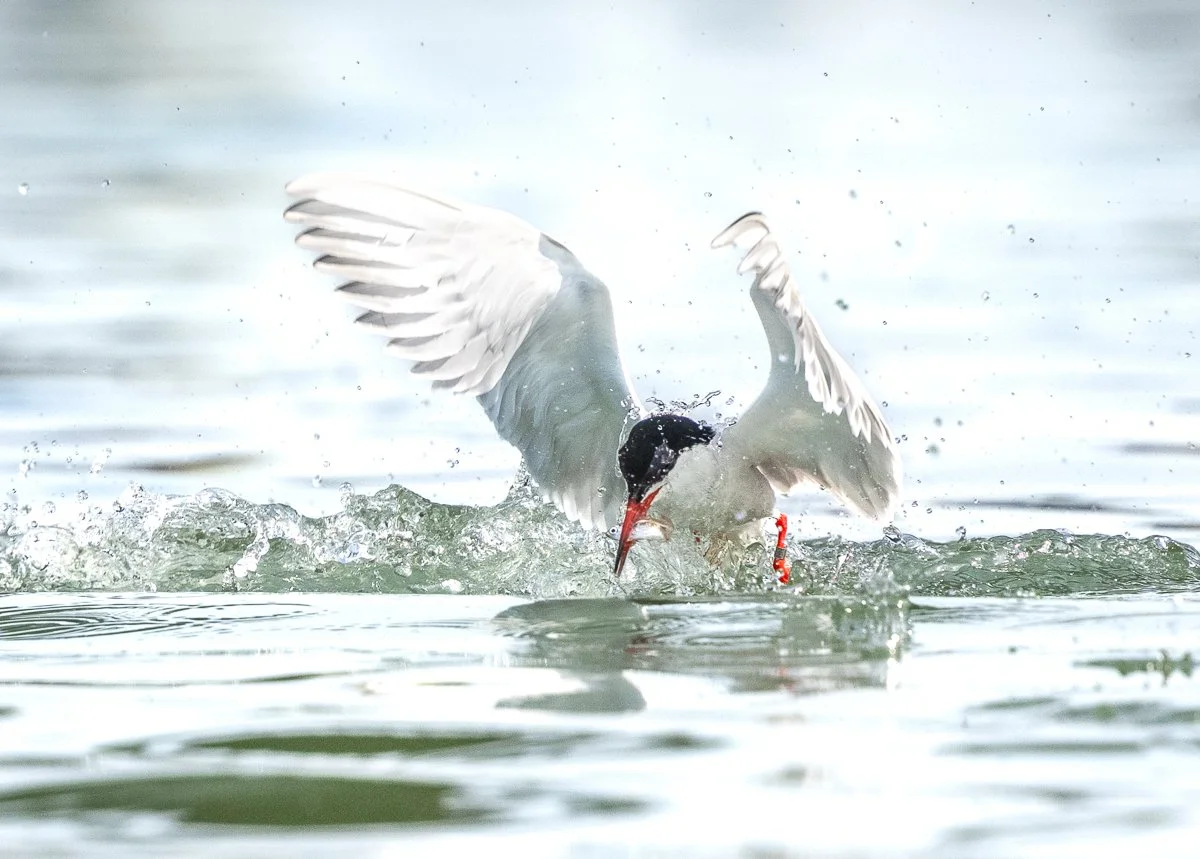
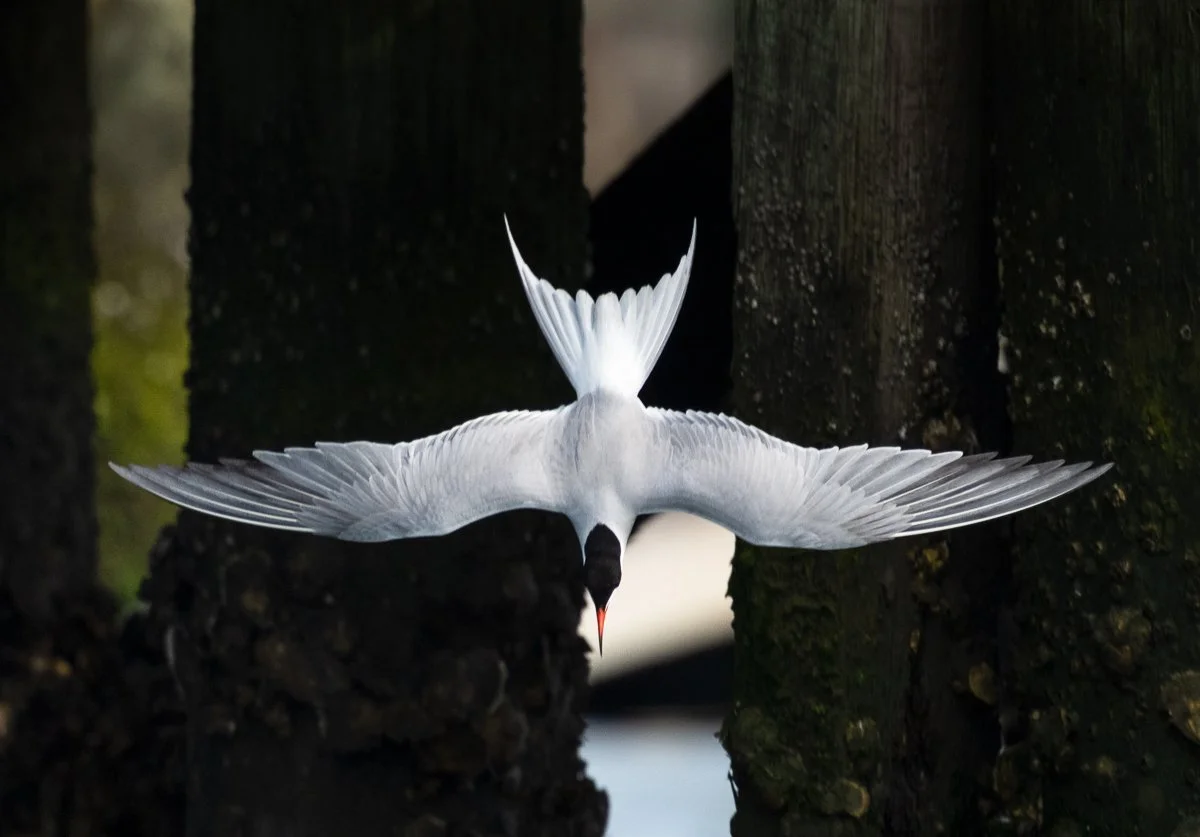
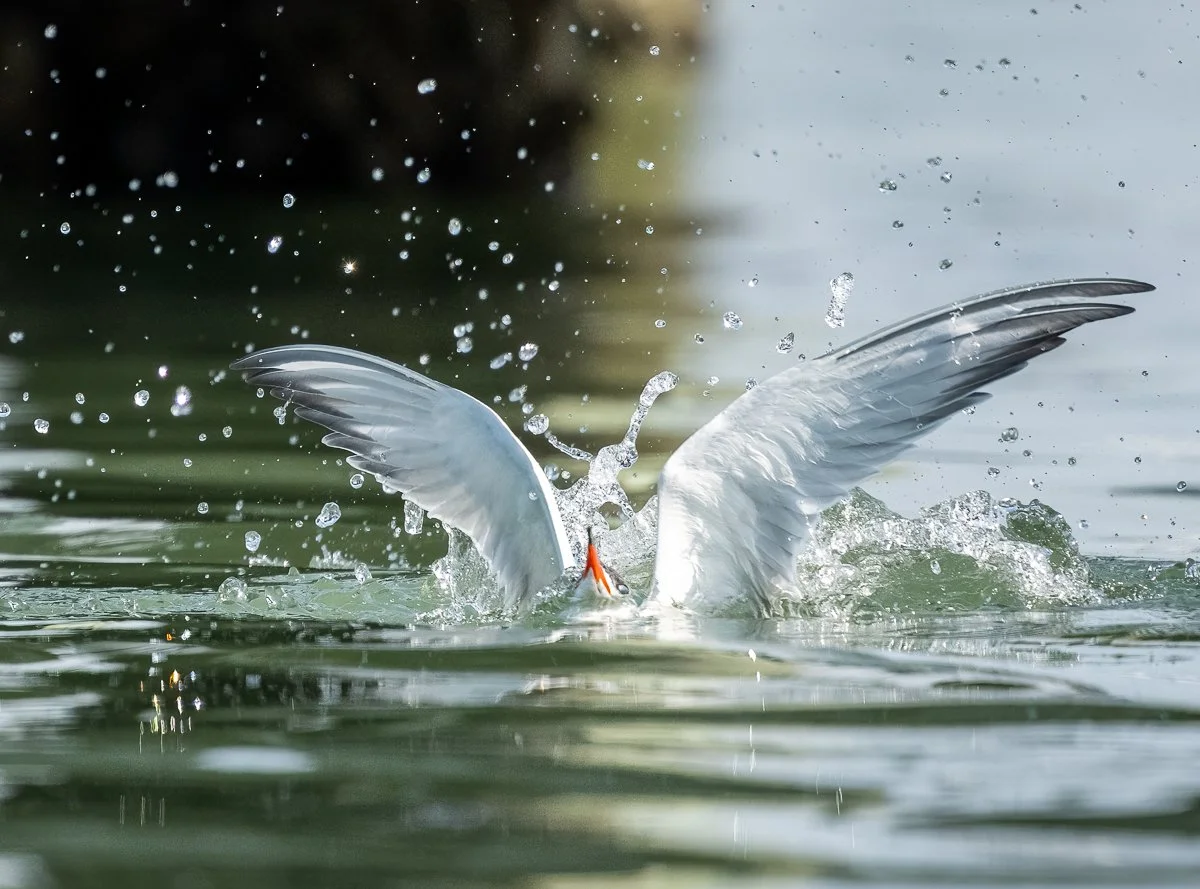
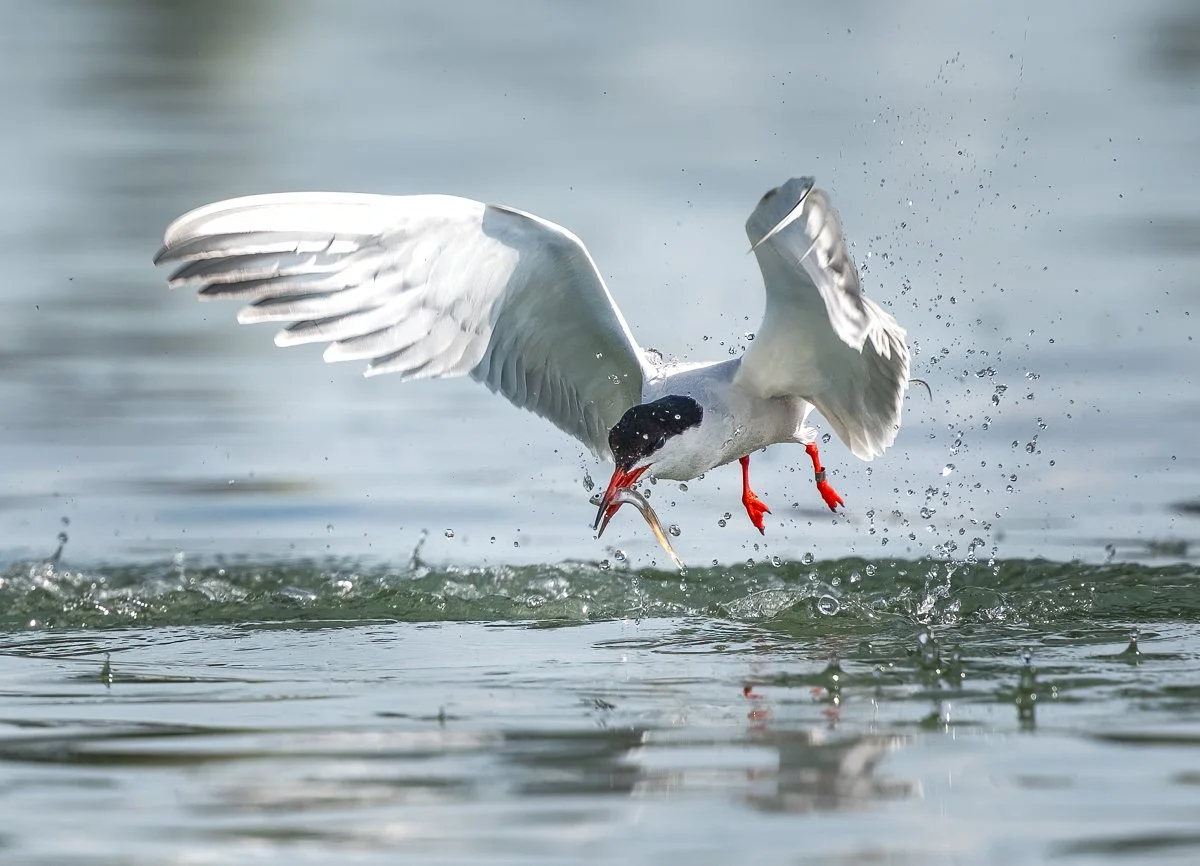
I knew that I should watch for the shake: Osprey, terns, almost any bird that fishes in the water, will shake the water off after a fishing attempt.
So I knew to wait for the shake:
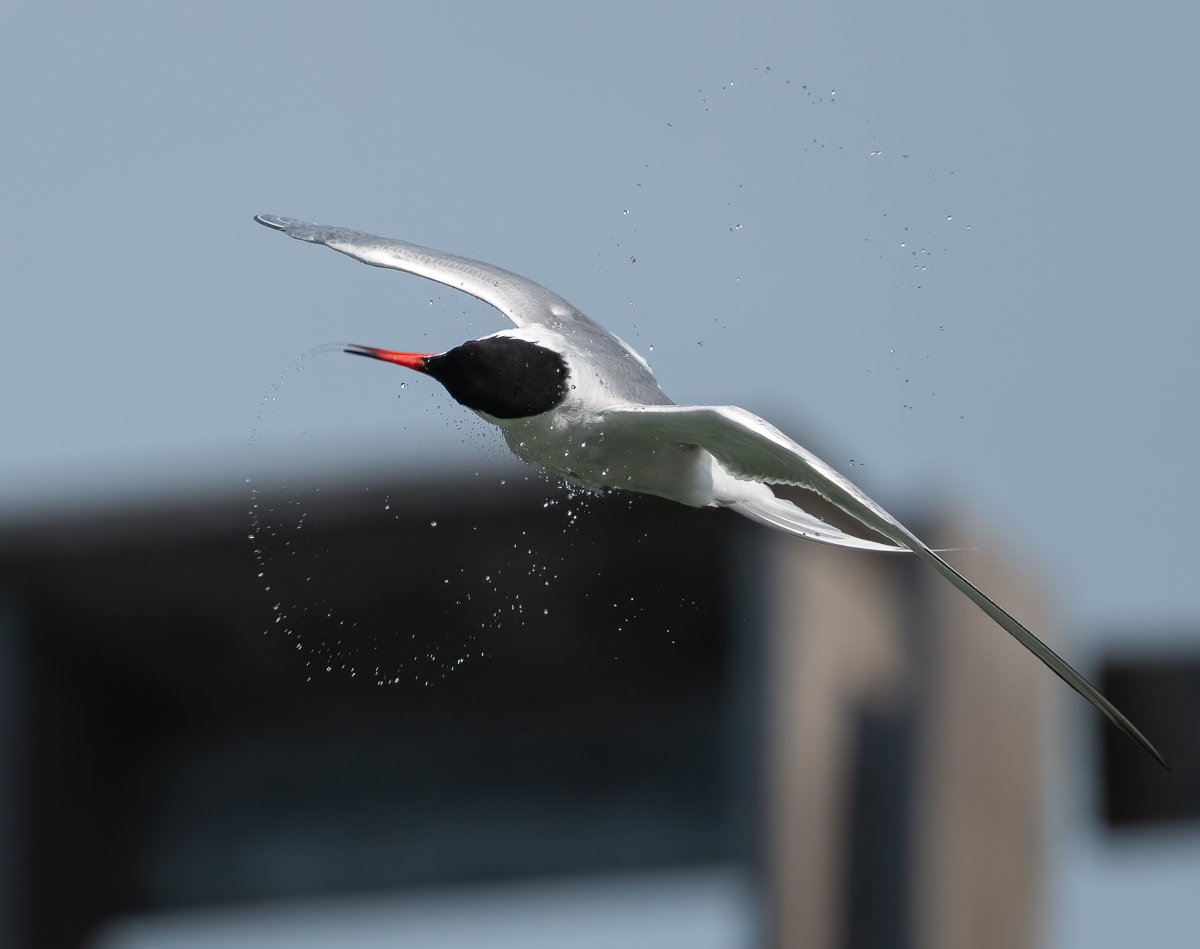
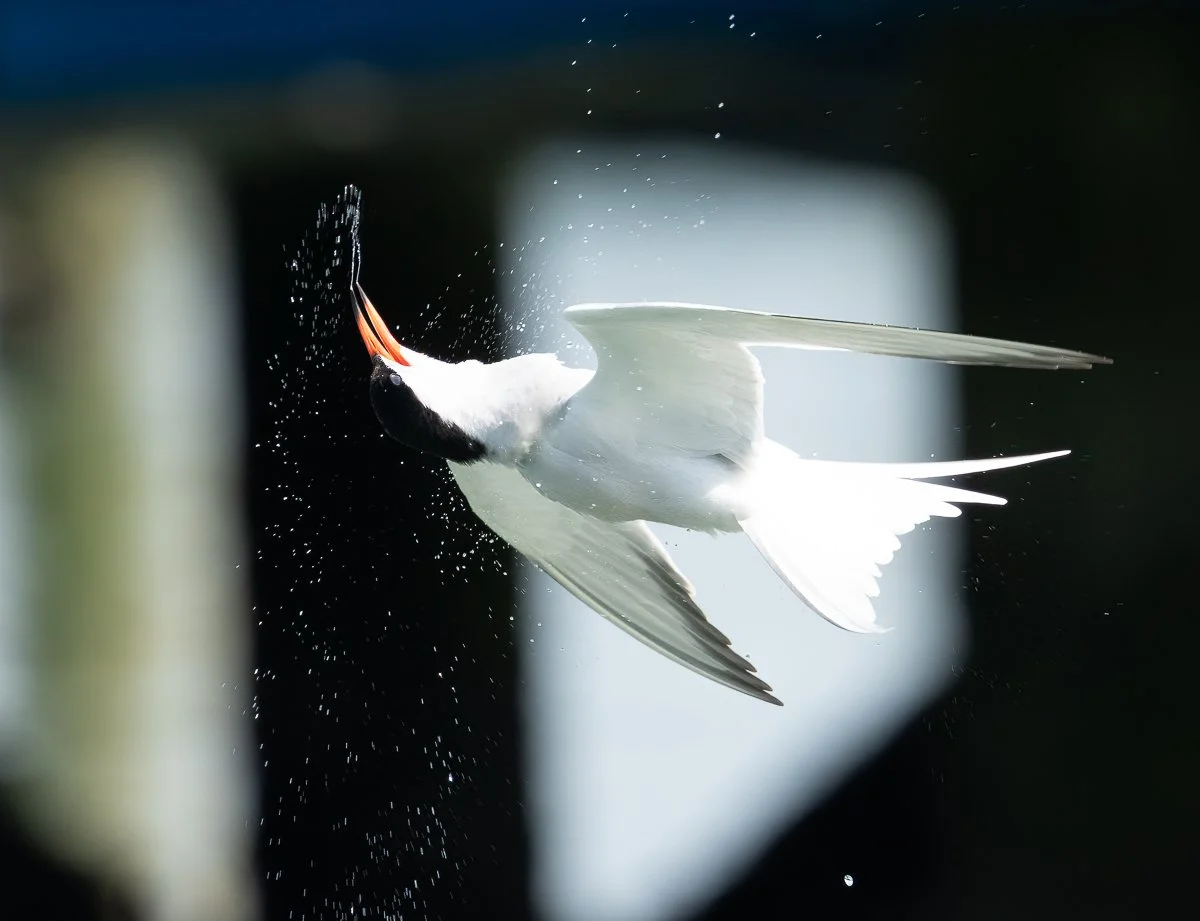
Which is always fun to see! So many people watch the dive, see the fish and move on. But I always watch for the shake. I always feel like it’s my own like secret — between me and the bird — knowing that the shake is coming.
But there was something, so much better, that I was missed!! And I had no idea!!
Which leads me to this week’s photography tip:
Keep photographing, long after the action has happened. You never know what may discover!
I didn’t think I was having a lot of luck catching the dives. So I figured I may as well end up with something for all the work I put into it. So I kept photographing the tern in flight. Figuring I may as well get a good shot of a tern flying with a fish in its beak.
And look what I found!!
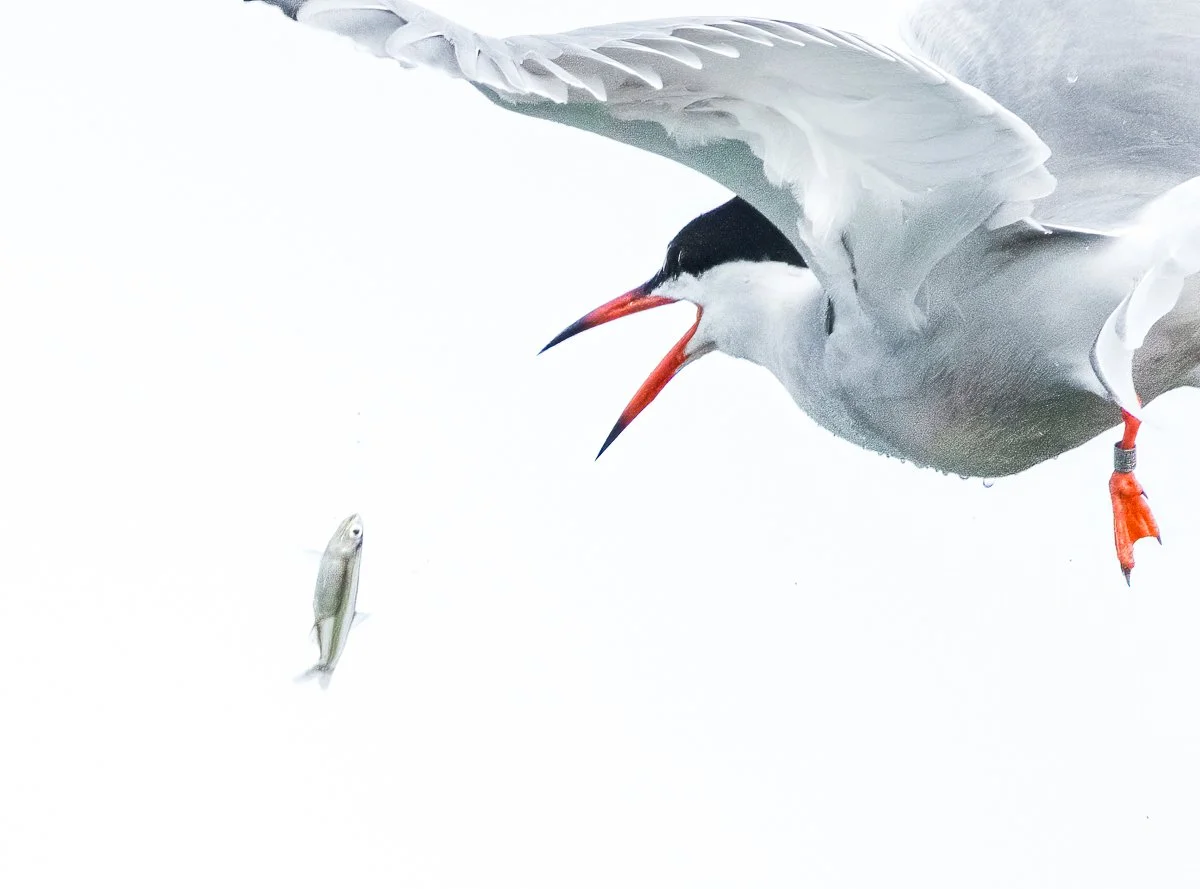
I thought maybe it had dropped the fish. Luckily it caught it again.
But the later on that morning:
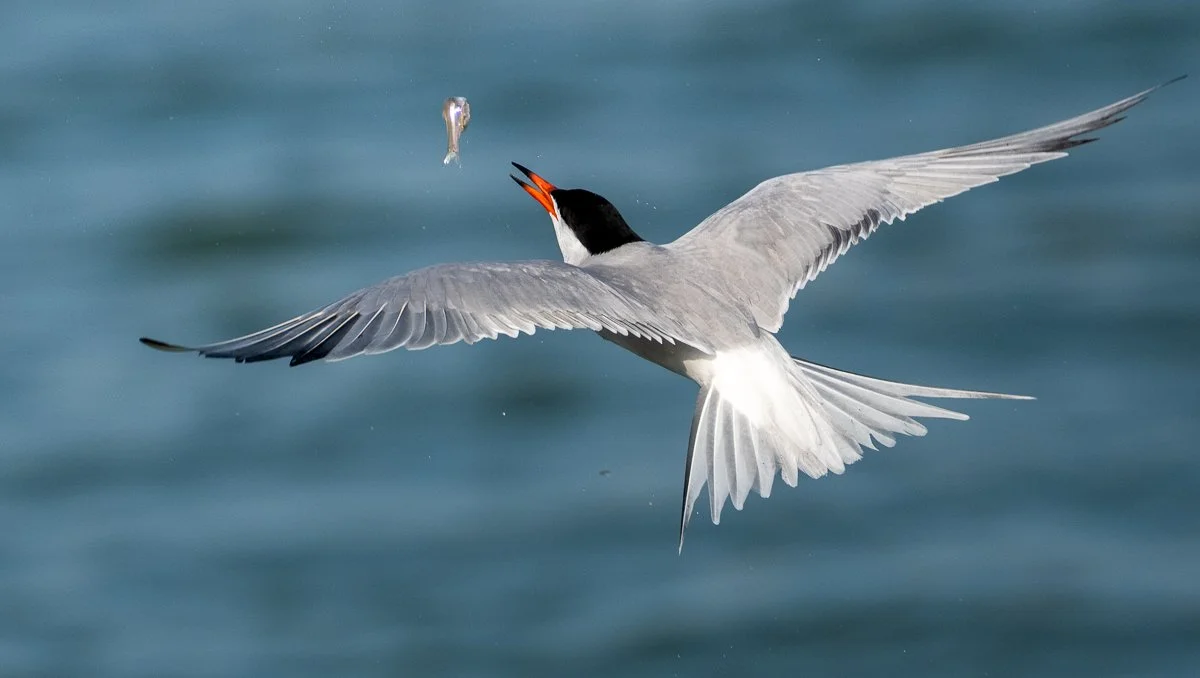
And again!!
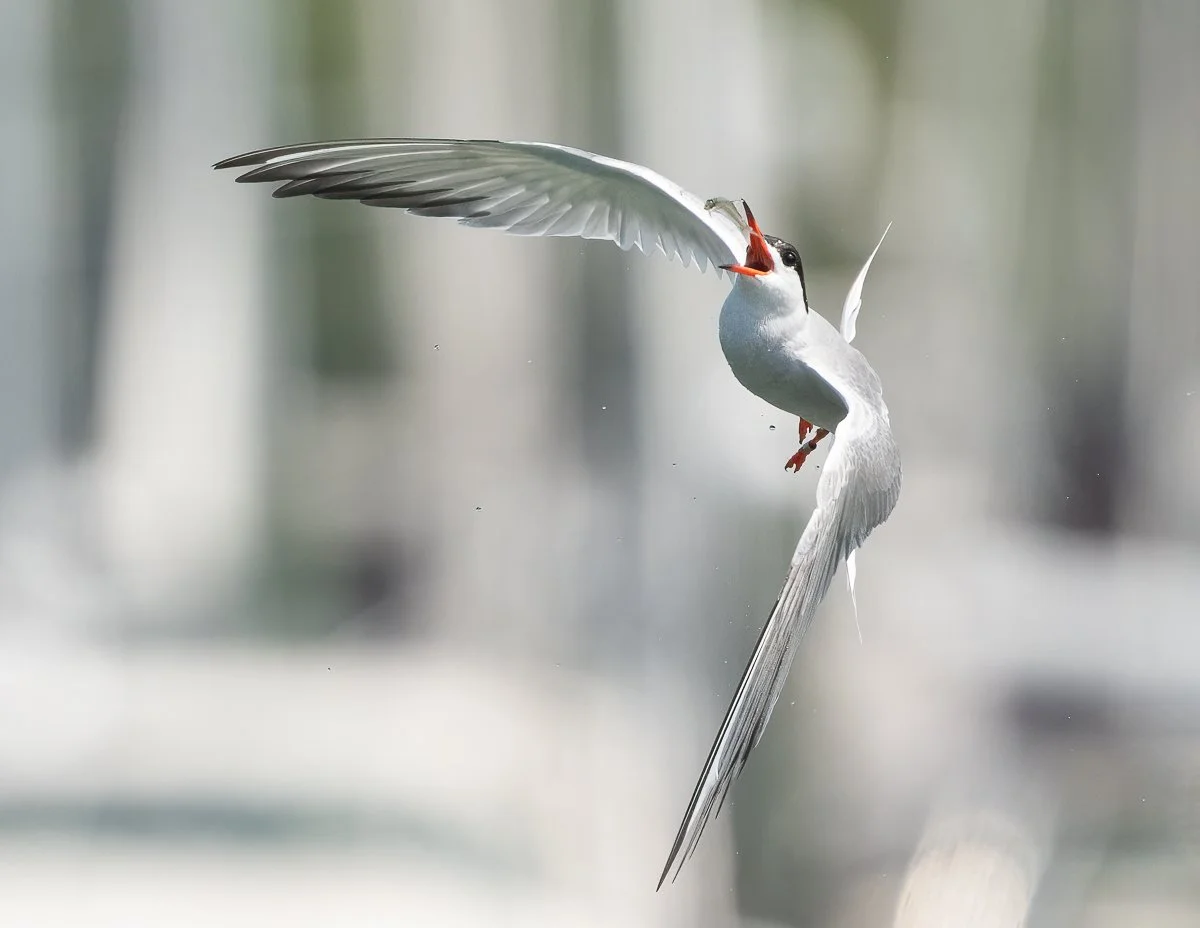
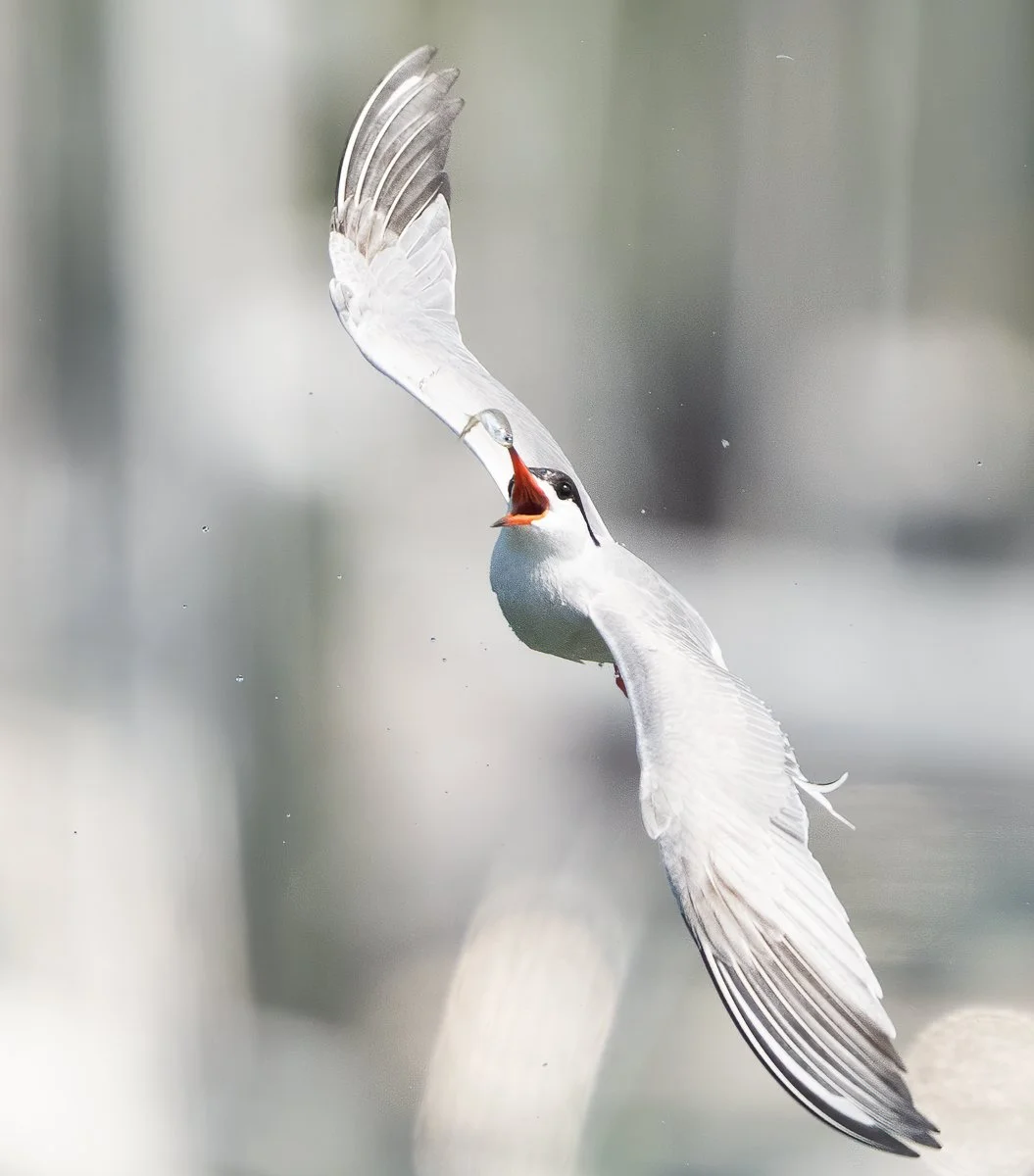
I had noticed egrets and great blue herons adjusting the fish that they caught, in order to be able to swallow them.
It turns out terns do the same thing. When diving after the fish, the fish will may end up sideways or even tail first. The terns then need to reposition the fish to swallow them head-first. That way the fins and tails are the right direction, so they don’t get stuck in their throat.
If I had not been photographing them long after they did their dive, I would have missed it!
So don’t give up too early.
Follow through.
Keep shooting.
Who know what you may discover?